The Rundown Newsletter
View Results
Ian Campbell | September 15, 2026
Planning a 5K race can feel like juggling a million things — bibs, banners, permits, volunteers, sponsors, timing, registration, and more.
If you're planning a 5K for the first time or improving last year's event, this 5K race planning checklist breaks everything into a simple step-by-step guide.
Whether you're searching for how to plan a 5K, how to organize a 5K race, or simply need a race planning checklist to follow, this guide will help you stay organized and avoid last-minute problems.
Before diving into logistics, clarify your race vision. Clear goals are the foundation of race planning and help you stay organized.
Ask yourself:
Decide upfront:
If you're wondering how to plan a 5K, start with a clear vision and objectives before getting into the logistics. Once you know what you want the event to accomplish, you can build the budget, team, course, registration process, and race-day plan around those goals.
Planning a 5K involves a lot of moving pieces — from permits and budgeting to volunteers, sponsors, registration, timing, and race-day logistics.
Download our free 5K Race Planning Checklist to keep everything organized and make sure you don't miss an important step.
Permits can slow you down if they're left until the last minute.
Typical approvals include:
Start early and stay ahead of local deadlines, especially for events held on public property.
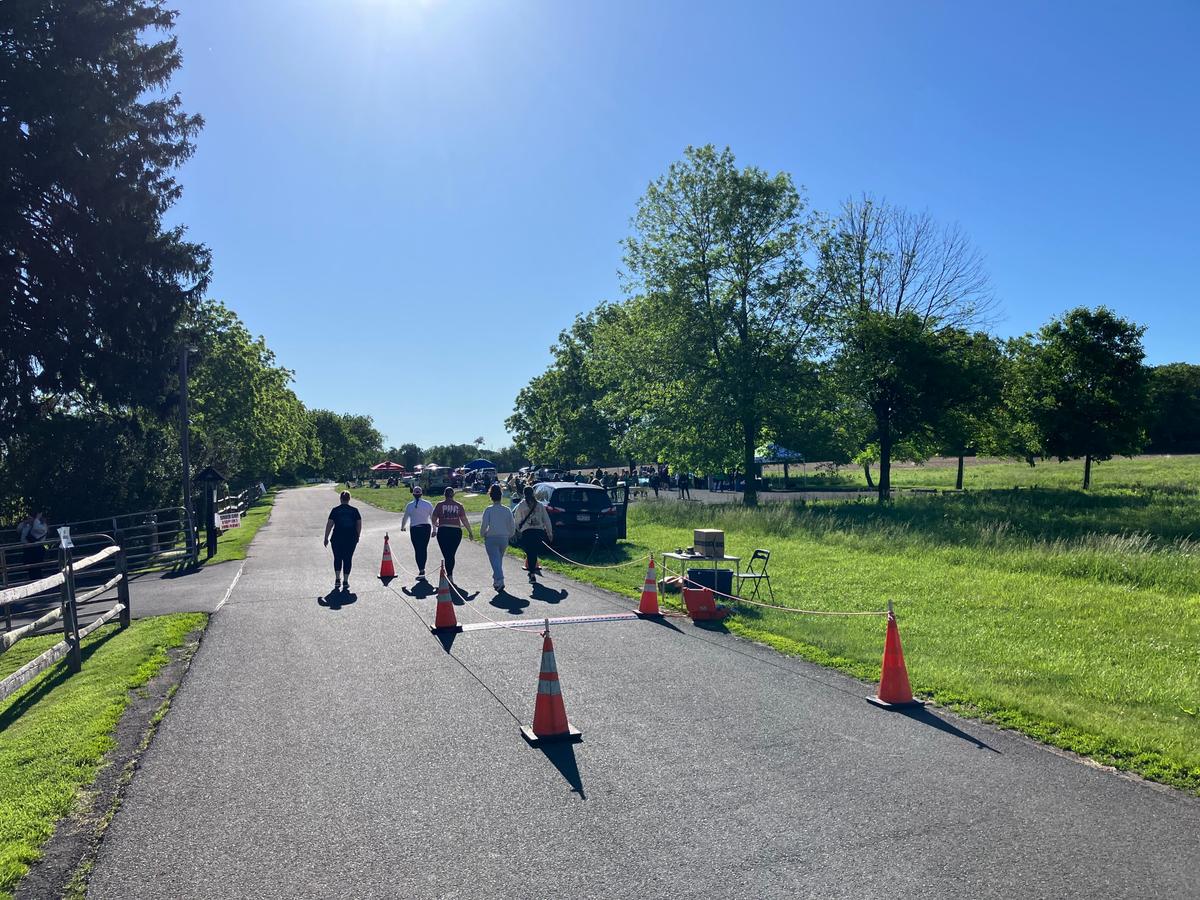
Once the location is approved, map your course.
A good race course is:
For competitive events, consider USATF certification.
Even a local community race or fun run benefits from clear signage, well-planned intersections, and a course that is easy for participants and volunteers to understand.
A smooth race day takes teamwork. Managing a 5K effectively requires a well-coordinated team, with each person responsible for specific parts of the event.
Key roles include:
Start recruiting volunteers early. Schools, clubs, sports teams, running groups, and local businesses can all be good sources for volunteers.
Make sure every volunteer knows their role, where they need to be, and who they report to on race day.
Online registration makes it easier to collect participant information, waivers, payments, shirt sizes, and other details you'll need before race day.
When setting up your registration:
For races that also need timing and results, choosing a platform that connects registration with race-day operations can reduce the amount of participant data you have to manage manually.
Run The Day offers race registration with customizable forms, secure payments, waiver collection, participant communication, and integrated timing and results.
Great races aren't just well-run — they're also well-marketed.
Start promotion early and use multiple channels to reach potential participants.
Your marketing checklist:
Keep your messaging focused on why people should participate. A strong community connection, fundraising goal, unique race theme, or memorable participant experience can all help drive registrations.
Sponsors can help offset event costs while giving local businesses an opportunity to connect with the community.
Offer sponsor perks such as:
Create sponsorship tiers based on what your event can realistically offer.
If you need a more detailed sponsorship strategy, these 5 proven strategies for securing race sponsors can help you build your outreach plan.
Use this list as your personal race materials checklist to make sure you don't miss essential items.
Race-day essentials may include:
Order materials early enough to allow time for shipping, customization, and corrections if something arrives incorrectly.
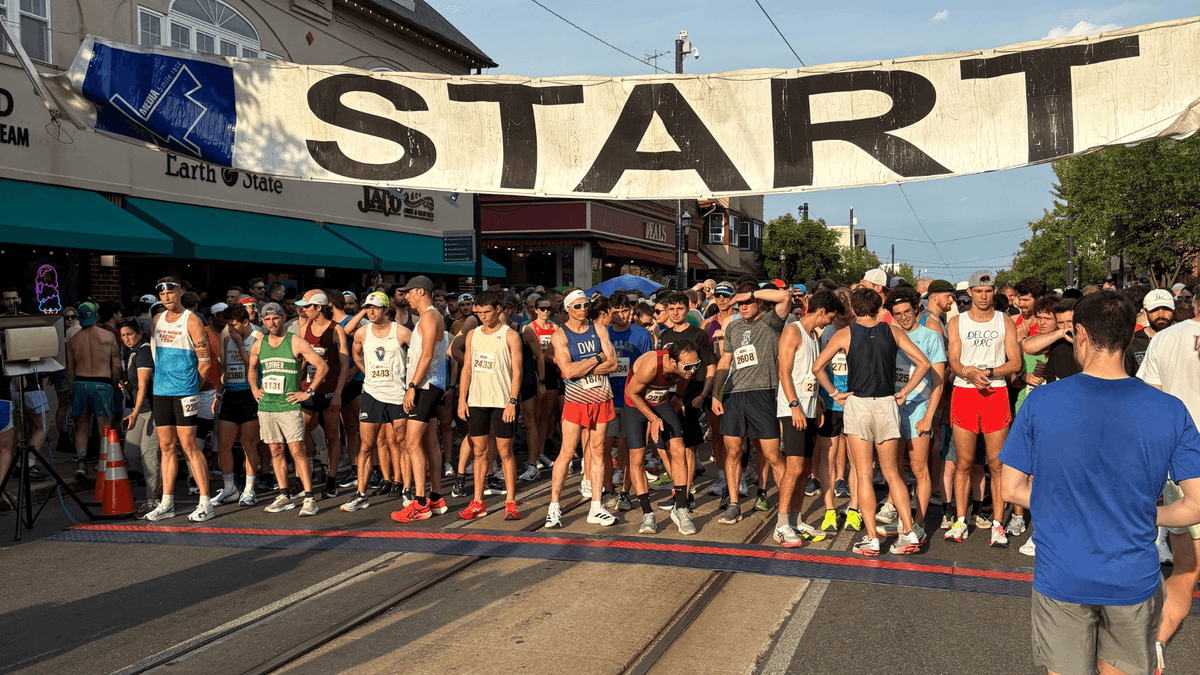
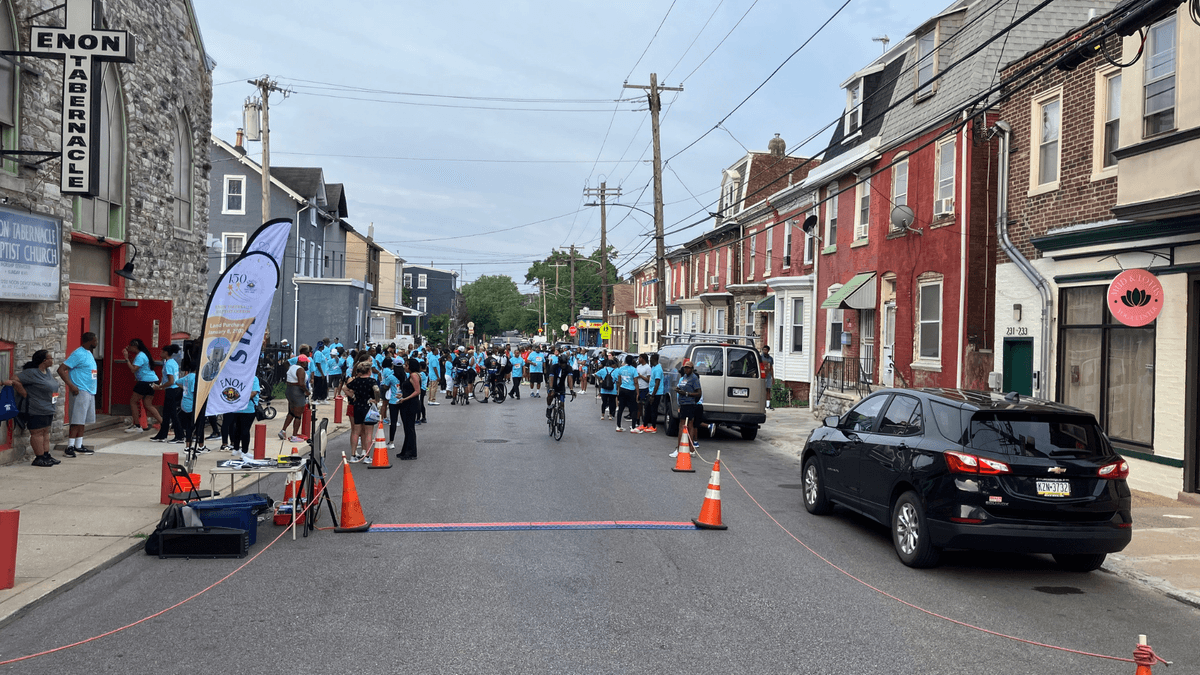
Race timing impacts the runner experience, event credibility, and post-race results.
Timing should be included in your 5K race planning checklist because your timing setup needs to match the size and type of event.
Choose based on event size and requirements:
If you're budgeting for timing, our guide to how much it costs to time a 5K explains the factors that can affect timing costs.
You can also review what equipment is used to time a 5K to understand the equipment and technology involved.
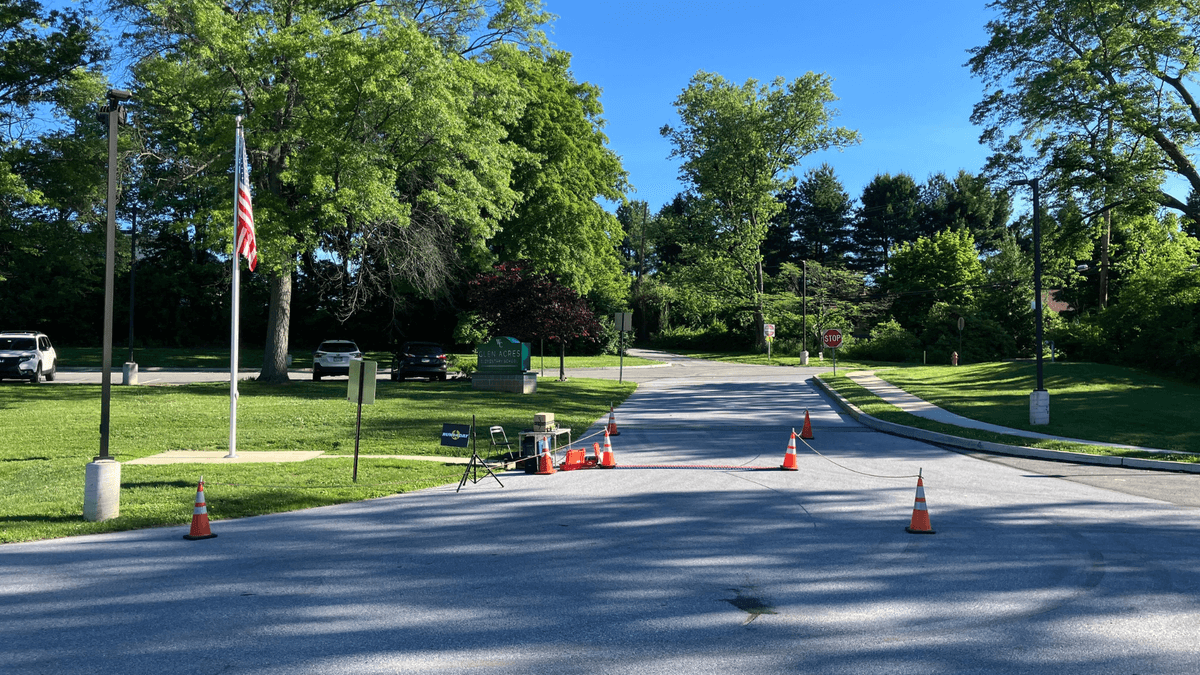
Run The Day supports timing and results with options for:
Make sure your timing setup is tested before the race and that your team knows how timing will be handled on race morning.
Don't leave race weekend to chance. Plan out the details before race morning.
Your race morning essentials may include:
It's also worth having a backup plan for weather, equipment problems, volunteer shortages, and other issues that could affect race morning.
Run The Day supports QR code race registration and dynamic bib assignment for race day making the on-site runner check-in process fast and smooth.
Map out every step of race day, from the first setup crew arrival to post-race cleanup.
Your actual timeline will depend on your event, but the goal is to make sure everyone knows what happens next.
Assign team members to lead each part of the schedule so you're not handling everything yourself.
The work isn't finished when the last runner crosses the finish line.
Take time to review the event while everything is still fresh.
Post-race must-dos:
Keeping records from one event to the next makes future race planning easier. Save important information such as vendor contacts, permit timelines, volunteer assignments, participant numbers, expenses, and timing details.
Planning a 5K means managing many different pieces of the event at the same time.
Run The Day can help bring registration, fundraising, participant communication, timing, results, promotion, and race-day support together.
Depending on your event, Run The Day can provide:
The goal is simple: give race organizers the tools and support they need to spend less time managing disconnected systems and more time running their event.
Start with your goals, build your team, secure your permits, plan your course, set up registration, promote the event, prepare your timing, and create a detailed race-day timeline.
A good checklist keeps the details organized. The right race technology and support can make the process even easier.
Planning your next 5K? See how Run The Day can help with registration, timing, results, and race-day support.
Tell us about your race and we'll help you find the right setup for your event.
Start by setting clear objectives. Decide whether the race is for fundraising, community engagement, competition, or another purpose. Then establish the date, budget, location, course, permits, and race-day team. From there, use a 5K planning checklist to organize the remaining details.
A 5K race planning checklist should cover the major parts of organizing an event, including permits, insurance, course planning, volunteers, registration, marketing, sponsors, race materials, timing, race-day logistics, and post-race follow-up.
Not always. Many community organizations, schools, nonprofits, and local groups plan and organize 5Ks themselves. A professional race organizer or race-management partner can be useful for larger events where logistics, participant management, promotion, and timing become more complex.
Ideally, start planning several months ahead. This gives you time to secure permits, build your team, recruit volunteers, attract sponsors, set up registration, order materials, and promote the event.
Start by defining your fundraising goal and choosing how participants will contribute. Then build a budget, secure sponsors, set up registration and donations, promote the event, recruit volunteers, and plan race-day logistics. Keep fundraising and event expenses organized throughout the planning process.
Yes. A fun run often has a more casual format and may have simpler timing and course requirements. A 5K may involve competitive runners, official results, age-group awards, and professional timing depending on the event.
The equipment you need depends on the size and format of your event. Common items include race bibs, safety pins, course signage, water-station supplies, tents, tables, sound equipment, and timing equipment. Larger races may use professional chip timing with RFID timing chips and timing mats.
The total cost depends on factors such as permits, insurance, timing, race materials, shirts and medals, marketing, staffing, and venue or course requirements. Creating a detailed budget early in the planning process can help you identify your major expenses and potential sponsorship opportunities.